
Security Council LIVE: Open debate on children and armed conflict
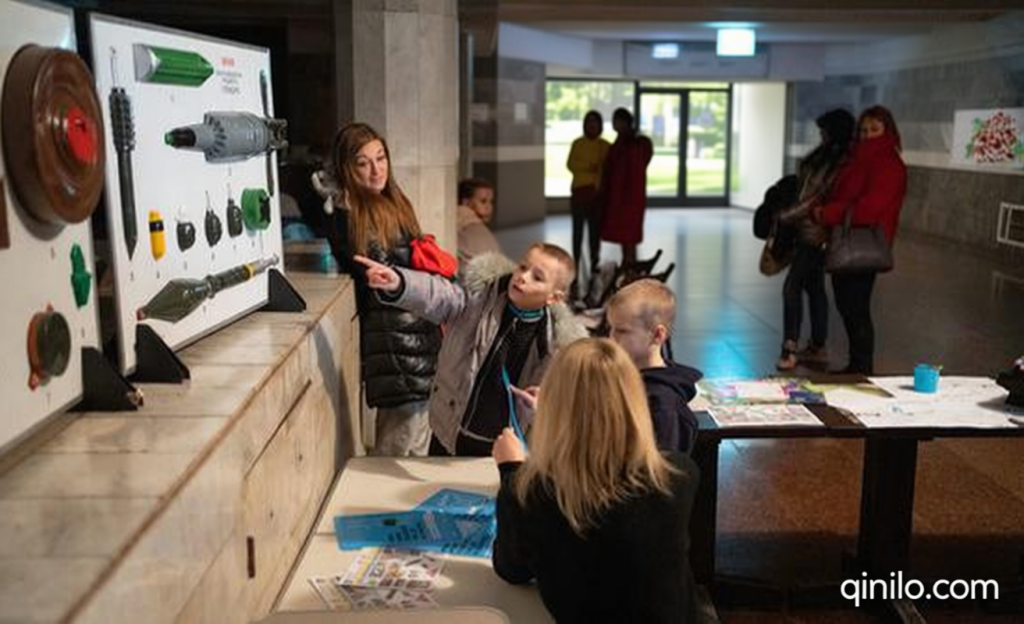
Security Council LIVE: Open Debate on Children and Armed Conflict
Qinilo.com – The UN Security Council convened a live session on Thursday to address the growing concern of children affected by armed conflict. This open debate aimed to scrutinize the latest data on the plight of children in war zones and evaluate the effectiveness of current measures to protect them. With the Security Council LIVE feed broadcasting the proceedings globally, delegates and observers from member states gathered to discuss the alarming trend of increased harm inflicted upon children by government forces and State actors. The session highlighted the urgent need for stronger international commitments to safeguard vulnerable populations in conflict-affected regions.
Key Findings of the Report
The report presented during the debate revealed a stark increase in severe abuses against children, with government forces accounting for 38,558 serious incidents in 2025. These included cases of murder, forced recruitment, and kidnapping, affecting a total of 24,174 children. The data indicated that many of these children faced multiple forms of harm, underscoring the compounded risks they endure. Notably, the findings marked a critical shift in the dynamics of conflict-related harm, as State actors surpassed non-State armed groups in the scale of violations recorded over the past year. This development has raised concerns about the accountability mechanisms in place for national militaries and their impact on civilian populations.
The report also emphasized the role of armed conflict in disrupting access to education and healthcare for children. In regions where State forces are active, the incidence of sexual violence and displacement has risen significantly, often outpacing the challenges faced in areas controlled by non-State groups. The analysis suggested that while non-State actors continue to be responsible for targeted attacks on children, the systemic nature of State-sponsored violence presents a more complex threat. The debate underscored the need for a comprehensive approach that includes both disarmament efforts and the protection of children’s rights within national frameworks.
Expert Analysis and Recommendations
Experts and representatives from humanitarian organizations stressed the importance of integrating child protection into all phases of conflict. The report’s findings were met with calls for immediate action, including the establishment of specialized child protection units within national armies and the enforcement of international humanitarian law. During the Security Council LIVE session, a delegate from a European nation noted that the data should serve as a catalyst for stronger resolutions, such as the adoption of a new child protection strategy. Meanwhile, a representative from a regional group highlighted the need for collaboration between UN agencies and local governments to address the root causes of child recruitment and abuse.
“The statistics presented today reflect a sobering reality: children are no longer just casualties of war but active participants in its violence,” remarked a UN official during the debate. “This shift demands a reevaluation of our priorities and a more proactive stance from all member states.”
Additionally, the discussion included a focus on the legal frameworks governing the protection of children in conflict. Delegates emphasized the importance of holding State actors accountable under the Optional Protocol to the Convention on the Rights of the Child. The debate also touched on the role of media in raising awareness of children’s suffering, with several members advocating for increased transparency in reporting conflict-related incidents. These recommendations were seen as vital steps toward ensuring that children remain at the forefront of Security Council LIVE discussions and international policy-making.
As the Security Council LIVE session concluded, a resolution was proposed to enhance monitoring mechanisms and allocate more resources to child protection programs. The resolution called for the creation of a dedicated task force to assess the implementation of existing child protection measures and identify gaps. This task force would include representatives from all member states, ensuring a unified approach to the issue. The debate has set the stage for future actions, with the hope that these discussions will lead to tangible outcomes for children in conflict zones. The Security Council LIVE format allowed for real-time engagement, ensuring that the concerns of affected communities were heard and addressed in the global arena.