
Afghanistan in crisis: Drought, malnutrition and a worsening humanitarian situation
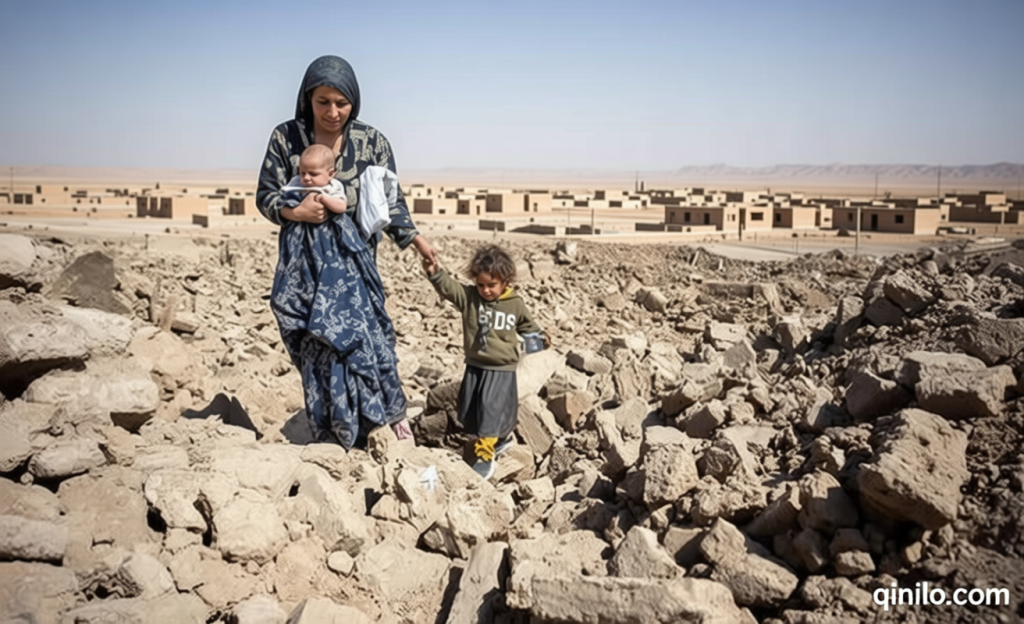
Afghanistan in Crisis: Drought and Malnutrition Intensify Humanitarian Struggles
Qinilo.com – Afghanistan in crisis has become increasingly dire due to persistent drought, widespread malnutrition, and a deteriorating humanitarian landscape. The country’s struggle is evident in the daily lives of its citizens, many of whom face food shortages and limited access to essential services. Since the Taliban’s takeover in 2021, challenges have compounded, leaving millions in urgent need of support. As climate conditions worsen, the situation in Afghanistan continues to deteriorate, with families forced to make difficult choices to survive.
Escalating Food Insecurity and Drought Impacts
The ongoing drought has devastated agricultural sectors, exacerbating food insecurity across Afghanistan. With crops failing and livestock dying, many communities are now relying on meager rations. Reports indicate that families in rural areas are resorting to boiling potato peels and scavenging for scraps, a stark illustration of the crisis. The situation is dire, with an estimated 3.7 million children suffering from severe malnutrition, and food shortages threatening to worsen further as the rainy season arrives late.
According to the UN Office for the Coordination of Humanitarian Affairs (OCHA), the drought has left vast regions unproductive, forcing communities to migrate in search of sustenance. This has created a cycle of displacement, with many families abandoning their homes in the hopes of finding better conditions. The lack of water reserves has also led to disputes over resources, deepening social tensions in areas like Bamyan province.
Humanitarian Efforts Amid Funding Shortfalls
Despite the growing crisis, international aid organizations are working tirelessly to provide relief. Olga Cherevko, a spokesperson for OCHA, emphasized the efforts to identify vulnerable populations, including children in remote “ghost villages.” However, the funding gap remains a significant barrier. As of early 2026, only 14% of the $1.7 billion humanitarian appeal has been secured, leaving millions without adequate support.
“The challenges are immense, but our teams are on the ground, trying to make a difference,” Cherevko said. She highlighted that even in isolated areas, aid workers are struggling to meet demand. With limited resources, the focus is on preventing further loss of life, particularly among children who are most vulnerable to malnutrition.
Gender Restrictions and Service Disruptions
The Taliban’s policies have placed additional strain on Afghanistan’s already fragile humanitarian system. Gender restrictions have limited women’s access to education and employment, affecting the availability of female healthcare workers. This has disrupted critical services, including maternal care and pediatric nutrition programs. Cherevko noted that when girls lose access to schools, the entire household is impacted, as education is a key pathway to economic stability and health.
“Women are deeply concerned about their daughters’ future, especially with the loss of educational opportunities,” she said. The restrictions have also reduced the workforce in healthcare, making it harder to respond to the crisis. With fewer female doctors and nurses, access to medical care has become more limited, particularly in rural areas where aid is most needed.
Returnees and the Struggle for Survival
Thousands of Afghans are returning to their homeland daily, often driven by hope or necessity. Many have never lived in Afghanistan before, yet they are now part of a growing population facing uncertain prospects. The influx of returnees has placed pressure on already strained resources, including housing and food supplies. Cherevko described how some returnees attempt to flee to neighboring countries only to be sent back, creating a continuous cycle of displacement.
“Once the buses drop them off, many have no choice but to stay,” Cherevko explained. The returnees are often met with limited job opportunities and rising living costs, making their survival a daily battle. This adds to the complexity of the crisis, as aid workers must now address the needs of both displaced populations and returning families.
Children at the Forefront of the Crisis
Children are among the most affected by Afghanistan in crisis, with severe undernourishment becoming a critical issue. The UN has reported that over 3.7 million children face hunger, and the situation is expected to worsen without immediate intervention. In some cases, families delay seeking help until the condition becomes life-threatening. Cherevko shared a story of a family where a child’s severe malnutrition was only recognized after hospitalization, highlighting the urgency of the problem.
“Parents often don’t realize the severity of malnutrition until it’s too late,” Cherevko said. The delayed recognition leads to tragic outcomes, underscoring the need for better awareness and quicker response mechanisms. With the aid programs struggling to keep pace, children remain at the forefront of the crisis, demanding attention and resources.
Global Response and the Path Forward
As the humanitarian situation in Afghanistan worsens, the international community faces mounting pressure to increase its support. Aid partners have already provided assistance to 5.9 million Afghans, with 3.5 million receiving food aid. However, this is only a fraction of what is needed to address the scale of the crisis. Cherevko called for a more coordinated and sustained effort, emphasizing the importance of long-term solutions to prevent further suffering.
“We need more than short-term relief; we need a comprehensive strategy to rebuild the country’s resilience,” she stated. This includes investing in agriculture, improving access to clean water, and supporting education and healthcare systems. The crisis in Afghanistan is not just a local issue but a global one, requiring urgent action to ensure the well-being of its people.