
Powering resilience: How Indonesia is building a more secure energy future
Powering resilience: How Indonesia is building a more secure energy future
Qinilo.com – Amid rising energy costs, supply fluctuations, and the escalating effects of climate change, energy security has emerged as a critical priority for nations worldwide.
Strengthening grid stability through solar expansion
Indonesia’s efforts to enhance its energy resilience have seen collaboration between the Government and United Nations agencies. A key initiative involves identifying over two gigawatts of solar potential to connect to the national grid, supported by the United Nations Office for Project Services (UNOPS) and state-owned PLN.
Solar integration paired with a new control center aims to improve grid reliability, cut outages, and decrease reliance on fossil fuels. These upgrades are essential for meeting growing energy demands while aligning with sustainability goals.
Reducing energy waste for cost savings
Minimizing energy loss in transmission networks is a straightforward way to bolster security. UNOPS has partnered with government entities to conduct efficiency audits and implement policy changes, empowering households and businesses to manage electricity use more effectively.
Such measures help stabilize supply and lower costs, ensuring equitable access to power for all sectors. The industrial sector, which accounts for significant energy consumption, benefits particularly from these optimizations.
Industrial transformation with UNIDO support
The United Nations Industrial Development Organization (UNIDO) is driving changes in Indonesia’s energy-heavy industries. By promoting resource-efficient practices, it has enabled fertilizer producers to cut annual carbon emissions by 328,000 tonnes while cutting operational expenses.
UNIDO also aids the Ministry of Industry in creating eco-industrial parks, which focus on renewable energy adoption, water recycling, and waste management innovations. These parks serve as models for sustainable industrial growth.
Financing the renewable energy transition
Indonesia’s goal to add 43 gigawatts of renewable capacity by 2034 requires up to $188 billion in investment. To attract funding, the United Nations Development Programme (UNDP) is developing blended finance tools that merge public and private resources.
These strategies are vital for accelerating infrastructure development and ensuring long-term affordability of energy solutions.
Supporting communities through the energy shift
The International Labour Organization (ILO) plays a role in mitigating the human impact of energy transitions. It assists regions in preparing for economic shifts and job creation, ensuring workers are not left behind.
Training programs focus on skills development and new employment pathways, fostering inclusive growth as the energy landscape evolves.
Empowering coastal communities with clean tech
For fishing communities across Indonesia’s archipelago, fluctuating fuel prices threaten daily incomes. UNDP has enabled over 2,400 small-scale fishers to switch to solar-powered engines, eco-friendly coolers, and advanced storage systems.
These technologies cut fuel use, lower expenses, and protect earnings from energy market volatility. Training on equipment maintenance ensures these benefits are sustained over time.
Connecting remote areas with solar mini-grids
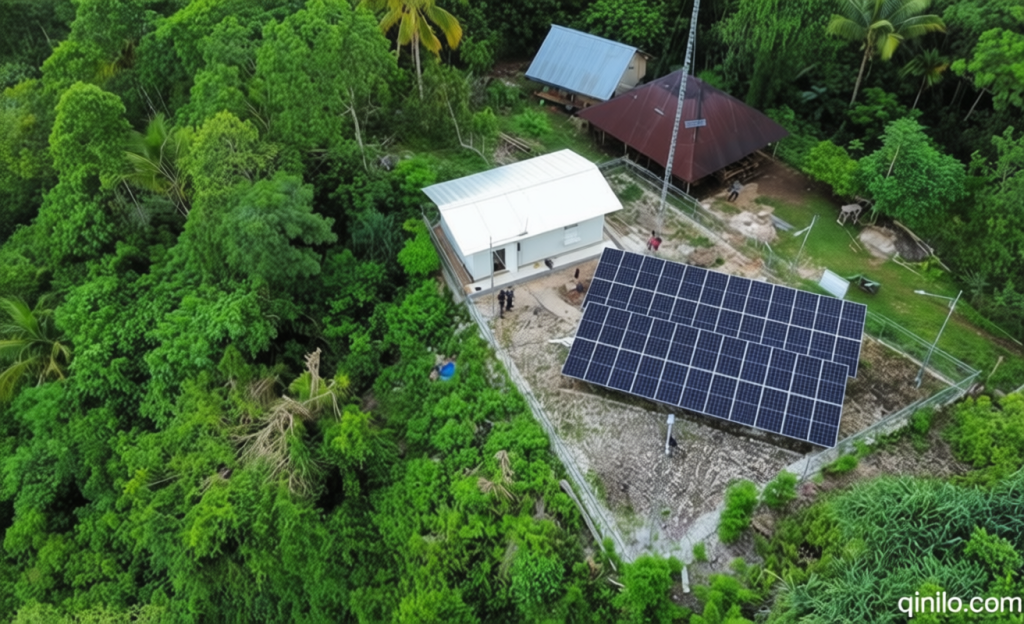
In regions lacking grid access, UNDP has installed solar mini-grids in 22 villages, providing electricity to 3,400 households and public services. This has slashed energy costs by 40% and cut emissions by 1,800 tonnes annually.
Local operators, with nearly half being women, are trained to manage these systems, guaranteeing consistent power access for years to come.
Women driving sustainable change
The United Nations Climate Village program in South Sumatra has trained 285,000 residents in renewable energy and circular economy practices. This initiative highlights the importance of gender-inclusive strategies in the energy transition.
UN Women and the United Nations Environment Programme (UNEP) have helped more than 400 women entrepreneurs gain access to