
Faith, fear and trust: Inside DR Congo’s fight against Ebola
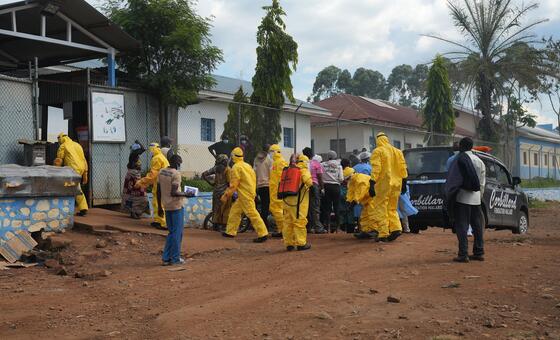
Trust and Tradition in the Fight Against Ebola
Qinilo.com – In a remote village in eastern Democratic Republic of the Congo (DRC), health workers arrived recently to assist with an Ebola-related burial. However, they were met with resistance, warned that rebels might be summoned if they remained, and compelled to leave.
The family performed the burial independently, risking exposure of many additional individuals to the virus. This incident underscores a critical challenge in containing the ongoing epidemic, which has infected 381 people and claimed 64 lives in the DRC as of June 3.
A Cultural Struggle
Marie Roseline Belizaire, the World Health Organization’s (WHO) Emergency Preparedness and Response Director for Africa, highlighted that the most difficult aspect of the response is not always the virus itself. It often lies in working with communities that believe Ebola is caused by witchcraft, persuading traditional healers to collaborate, or navigating areas where health teams have been previously threatened.
“We are not trying to overcome their culture,” she said. “We’re trying to involve the science in their own belief.”
The Bundibugyo strain of Ebola, which lacks a vaccine or treatment, continues to spread in eastern DRC. Cases have also emerged in Uganda, demonstrating the virus’s ability to cross borders swiftly. A Congolese national who passed through the United Arab Emirates before entering Uganda exemplifies this rapid movement.
Testing and Tracking Progress
Early in the outbreak, laboratories processed around 40 tests daily. This capacity has now grown to 800 per day, significantly accelerating the identification of suspected cases. Dr. Belizaire noted that results are often available within 24 hours, with a maximum of 48 hours.
Community alerts are first assessed on-site, with individuals meeting the outbreak’s criteria then tested. This process enables quicker resolution of cases compared to earlier stages of the crisis. Contact tracing has also improved, rising from approximately 25% to 45%, though it still falls short of the 90–95% needed for effective containment.
“We still have a lot of challenges,” she said, adding that the outbreak’s regional scope remains a key concern.
Collaboration Over Conflict
Building trust is a central focus for WHO teams. Many communities have faced years of conflict and instability, making them wary of external interventions. Misconceptions, such as attributing deaths to witchcraft or poisoning, further complicate efforts.
“The disease symptoms are very malaria-like in the community,” Dr. Belizaire explained.
Health workers adopt a strategy of coexistence, acknowledging local beliefs while promoting scientific understanding. “We don’t stop them to believe in witchcraft,” she said. “We just ask them to simultaneously believe in the disease’s existence.”
“We don’t stop them going to traditional healers,” she said. “We ask [the healers], if you see someone with those symptoms, refer it also to us.”
This approach reflects lessons from past outbreaks, where distrust often hindered containment. WHO Director-General Tedros Adhanom Ghebreyesus emphasized that “misinformation is almost as dangerous as the virus itself, and spreads just as fast.”
Despite these hurdles, progress is evident. Seven people, including six healthcare workers, have recovered from Ebola. Early intervention and intensive supportive care, such as rehydration and symptom treatment, played a vital role in their recovery.