
World News in Brief: Millions displaced in South Sudan, global meat supply quadruples, Middle East crisis deepens global hunger
World News in Brief: South Sudan Displacement Crisis, Global Meat Supply Growth, and Middle East Hunger Escalation
Qinilo.com – World News in Brief highlights three pressing global developments: a surge in displacement in South Sudan, unprecedented growth in meat production, and the worsening impact of the Middle East conflict on food security. These stories underscore the interconnected challenges of conflict, climate, and resource distribution that shape the world today.
South Sudan’s Displacement Crisis Intensifies
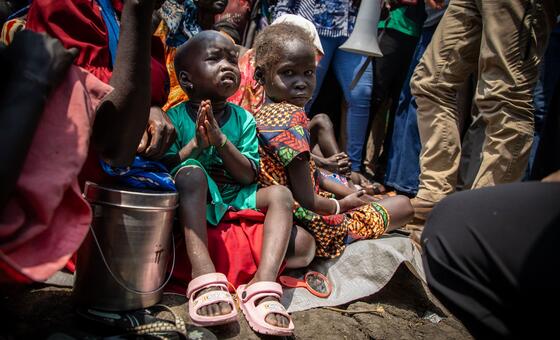
Violence in South Sudan’s eastern Jonglei State has escalated, forcing over 300,000 residents into displacement since December 2025. The UN Refugee Agency (UNHCR) reports that clashes between the national army and the Sudan People’s Liberation Movement (SPLM) have intensified, particularly in Akobo County, where more than 140,000 people have fled their homes. This crisis reflects a pattern of instability that has plagued the region since its independence in 2011.
Many displaced families have sought refuge in neighboring Ethiopia, but their journeys remain fraught with uncertainty. Those returning to their communities often find their properties destroyed or looted, leaving them to rely on makeshift shelters. Humanitarian organizations struggle to reach affected areas due to restricted access, compounding the difficulty of providing essential aid. With the rainy season now underway, flooding threatens to exacerbate the already dire living conditions for millions.
Global Meat Production Surpasses Historical Records
The UN Food and Agriculture Organization (FAO) has revealed a staggering increase in global meat production over the past six decades. Poultry meat, in particular, has grown fivefold since 1961, while egg and pig meat outputs have nearly doubled. Beef production, though more stable, has seen regional declines due to factors like land degradation and shifting dietary preferences.
By 2022, global meat production hit 361 million tonnes—over four times the 71 million tonnes recorded in 1961. This growth has been driven by advancements in agricultural technology and a rising demand for protein sources in urban populations. However, disparities persist: while Northern America remains the largest producer, Asia continues to face challenges in per capita meat access. Sub-Saharan Africa, despite some progress in countries like Kenya and South Africa, lags behind in overall production growth.
WFP Alerts: Middle East Conflict Deepens Hunger Crisis
Three months after warning of the Middle East conflict’s potential to increase global hunger, the UN World Food Programme (WFP) has confirmed its accelerating impact on food security. The agency now reports that the crisis has pushed an additional 2.5 million people in Somalia, 1.3 million in Sri Lanka, and 2.3 million in Afghanistan into severe food insecurity. Some regions are experiencing acute hunger, with limited access to basic necessities.
“We warned that this crisis could push millions more people into hunger; now we are watching it happen in real time,” said a WFP spokesperson. The agency emphasizes that the conflict has disrupted supply chains, damaged infrastructure, and created a “triple squeeze” on resources. Rising demand for food, increased logistics costs, and reduced funding are forcing WFP to cut its 2026 service capacity by 1.5 million people, worsening the outlook for vulnerable populations.
Compounding the issue, food waste and loss remain critical problems. One-third of global food production is never consumed, with poor storage and transportation infrastructure in sub-Saharan Africa contributing to significant losses. The Middle East conflict has also highlighted how geopolitical tensions can disrupt agricultural output, creating ripple effects across the world. With climate change and economic instability further threatening food systems, the need for coordinated global action has never been more urgent.
Global Implications of the Hunger Crisis
The Middle East conflict’s influence on global hunger extends beyond immediate regions. Supply chain disruptions have led to higher prices for staple crops and livestock products, affecting food accessibility in developing nations. For instance, fertilizer shortages in conflict-affected areas have delayed planting seasons, reducing yields and increasing the risk of food shortages. This interplay between war and agriculture underscores the fragility of global food systems in the face of multiple stressors.
Meanwhile, the surge in meat production offers both opportunities and challenges. While increased output could alleviate protein shortages in some areas, it also raises concerns about sustainability. Overgrazing and deforestation in meat-producing regions threaten biodiversity and contribute to climate change. Additionally, the shift toward meat-centric diets may exacerbate water scarcity, as livestock farming requires significant resources. Balancing production growth with environmental and social impacts is critical for long-term food security.
Humanitarian Response and Future Outlook
International efforts to address South Sudan’s displacement crisis are ongoing, but challenges persist. The UN and NGOs are working to provide emergency shelter, medical care, and food aid, yet the scale of need far outstrips available resources. With 300,000 people affected in Jonglei and neighboring regions, the focus remains on ensuring safe passage for refugees and restoring livelihoods in conflict zones.
Looking ahead, the WFP warns that the hunger crisis could persist even if the Middle East conflict eases. The agency is urging governments and donors to prioritize funding for food programs and improve logistics to counteract inflationary pressures. In parallel, the FAO calls for sustainable agricultural practices to prevent overreliance on meat production at the expense of staple crops. As the world grapples with these interconnected challenges, the urgency of addressing both conflict and climate impacts becomes clear.