
Global learning losses threaten an entire generation
Global learning losses threaten an entire generation
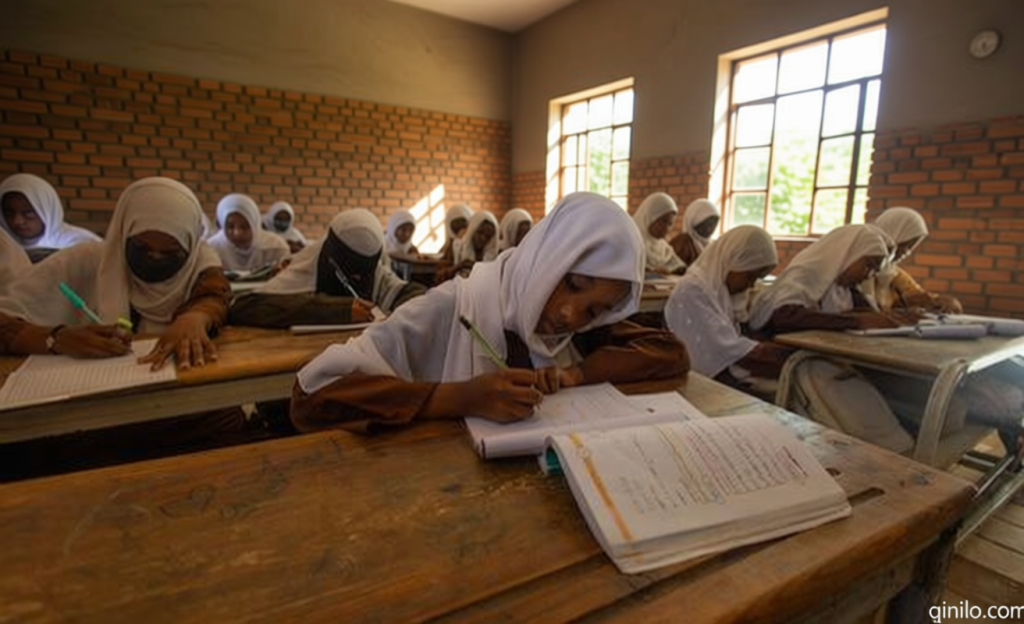
Qinilo.com – A new report reveals that 258 million school-aged children and adolescents worldwide are facing disrupted education due to conflict, displacement, and climate shocks. These challenges raise concerns about the long-term consequences, as millions risk losing both years of schooling and future prospects.
Education in Crisis: A Growing Emergency
Published by Education Cannot Wait (ECW), the UN global fund for education in crises, the report Breaking Barriers: Understanding Educational Exclusion in Crises offers a stark analysis of education emergencies in vulnerable communities. It underscores how crises are increasingly shaping learning outcomes for children.
According to the findings, 93 million children are entirely excluded from schooling, while millions more remain enrolled but struggle to advance. Learning conditions in these contexts often hinder progress, making dropout rates more likely.
Barriers to Learning Extend Beyond Access
The report highlights that educational challenges are intensifying in the world’s most severe crisis zones. Among the 182 million children in the 20 highest-severity contexts, 74 million are out of school—nearly 80% of all crisis-affected children not in education.
Children forced from their homes face compounded difficulties. Analysis from Burkina Faso, the Central African Republic, the Democratic Republic of the Congo, Mali, and Somalia shows displaced students have lower promotion rates, slower academic progress, and are more likely to be over-age for their grade than their non-displaced peers.
Girls, refugees, and children with disabilities encounter disproportionate obstacles. Conflict exacerbates learning gaps, with foundational skills deteriorating early and rarely recovering. In some regions, less than 10% of children show basic reading proficiency by Grade 6.
Resilience Amid Adversity
Despite hardships, families often prioritize education. However, financial constraints and school closures due to conflict account for nearly 80% of children leaving school. This suggests that education is not being abandoned but postponed due to unavoidable circumstances.
“Support for education in crises is the insurance policy families, governments, and donors need to protect their long-term investments in education and economic opportunity,” said ECW Director Maysa Jalbout. She emphasized that conflict and climate change are undoing progress and called for urgent funding to prevent irreversible learning loss.
Education Cannot Wait has supported over 14 million crisis-affected children since its launch and aims to reach an additional 10 million by 2030. The report stresses that addressing these gaps requires immediate action to safeguard educational futures.