
Haiti: UN rights office welcomes new judicial units to tackle gang violence and impunity
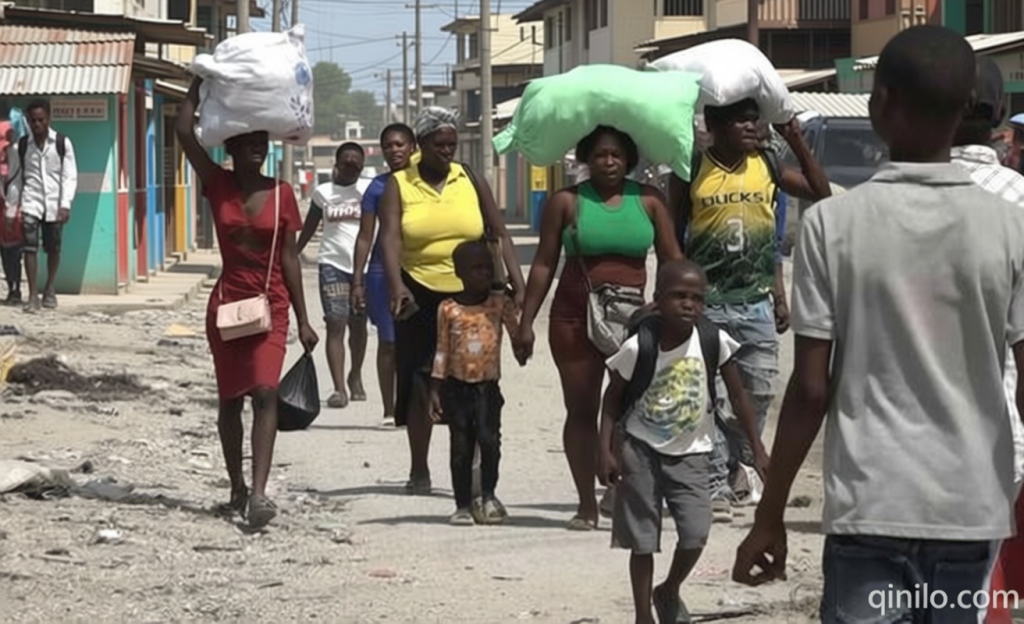
Haiti: UN Rights Office Backs New Judicial Units to Fight Gang Violence and Impunity
Context of Gang Violence in Haiti
Qinilo.com – Haiti – Recent efforts to address Haiti’s ongoing crisis have seen the introduction of two specialized judicial units, a development welcomed by the United Nations Office of the High Commissioner for Human Rights (OHCHR) as a critical step toward restoring justice. These units, announced by the Haitian government in late May 2026, are tasked with investigating corruption linked to organized crime, including the illegal arms trade and financial misconduct such as money laundering. The initiative comes at a time when Haiti’s justice system is under unprecedented strain, with gangs increasingly dominating urban areas and undermining the rule of law through targeted attacks on courts and judicial personnel.
Gang violence has become a defining feature of Haiti’s political and social landscape, with groups like the G9 and other armed factions operating with impunity. Over the past year, these gangs have not only occupied key judicial institutions but also vandalized them, threatening the independence of the legal system. Judicial officers, including judges and prosecutors, have faced direct violence, intimidation, and even assassination, creating a climate of fear that deters fair rulings. This erosion of judicial integrity has left thousands without access to justice, particularly in regions where gang activity is most pervasive.
The new judicial units aim to tackle the systemic issues that have allowed gang-related crimes to flourish. Their mandate includes prosecuting cases of corruption, human rights violations, and criminal activities tied to organized violence. By focusing on these areas, the units hope to address the root causes of impunity and provide a structured framework for accountability. Haitian President Ariel Henry has emphasized that the creation of these units is a priority, citing the need to protect citizens and ensure the government can fulfill its legal obligations.
“It is crucial that these specialized units operate with fairness, objectivity, and autonomy,” stated Marta Hurtado, OHCHR spokesperson, during a briefing in Geneva. “Such attributes will help rebuild trust in the justice system and safeguard the lives of judges and court staff.” This statement underscores the international community’s belief that independent judicial oversight is essential to Haiti’s recovery. The OHCHR has also called for transparency in the units’ operations, urging the Haitian government to ensure they are free from political interference and equipped to handle complex cases efficiently.
Haiti’s challenges extend beyond the immediate threat of gang violence. The country has long struggled with political instability, economic hardship, and a legacy of corruption that has hampered governance. The judicial units are intended to serve as a counterweight to these systemic failures, reinforcing the legal framework necessary for long-term stability. However, their success will depend on adequate funding, trained personnel, and the cooperation of local authorities. The Haitian government has committed to supporting these units, but questions remain about their capacity to operate effectively in a country with limited resources.
International Collaboration and Support
The UN Human Rights Chief, Volker Türk, has reiterated the importance of international collaboration in strengthening Haiti’s judicial response to gang violence. He urged Haitian officials to swiftly implement the units in accordance with global human rights standards and established legal protocols. “Haiti’s path to justice requires both domestic commitment and external assistance,” Türk said. “These units represent a significant opportunity to address the deep-rooted issues of corruption and impunity that have plagued the nation for decades.”
International partners, including the European Union and the United States, have expressed optimism about the initiative. The EU has pledged financial support to help establish the units, while the U.S. has committed to training local legal professionals. These efforts are part of a broader strategy to stabilize Haiti, which has seen a surge in violence that has displaced hundreds of thousands of people and disrupted essential services. The UN has also emphasized the need for sustained investment in the judiciary to ensure the units can function independently and transparently.
With proper execution, the new judicial units could mark a turning point in Haiti’s fight against gang violence. By focusing on corruption and human rights abuses, they aim to dismantle the networks that enable organized crime to thrive. However, challenges such as political interference, lack of resources, and the security of justice workers must be addressed to ensure long-term success. The OHCHR has highlighted the importance of community engagement and public awareness in supporting these units, as trust in the legal system is vital for their effectiveness.