
Quake latest: Food grows scarcer for thousands of Venezuelan families
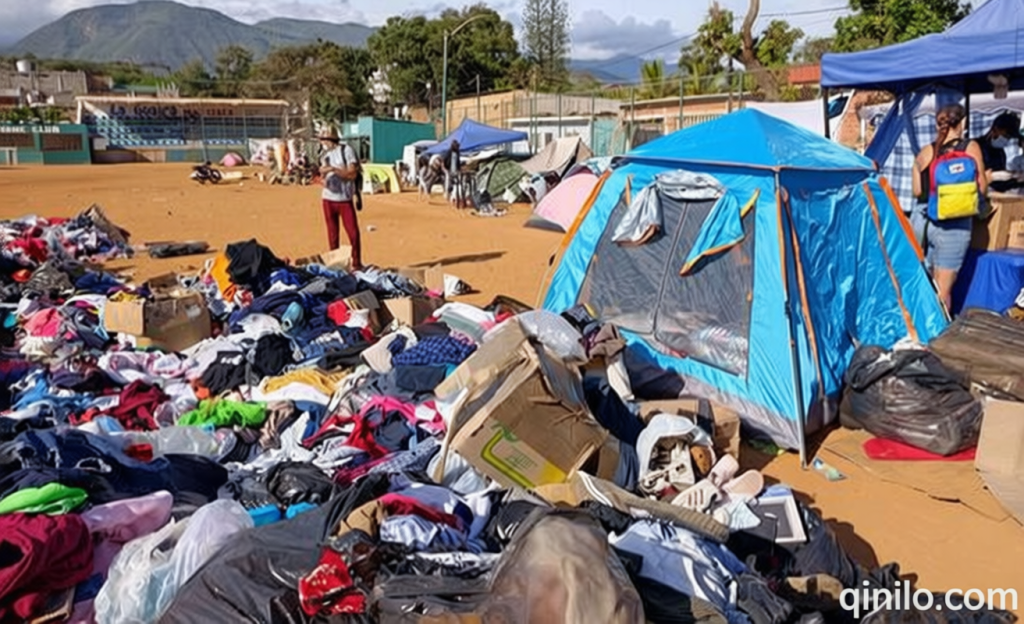
Quake Latest: Food Shortages Intensify for Thousands of Venezuelan Families
Qinilo.com – The recent earthquakes in Venezuela have intensified food insecurity for thousands of families, compounding existing struggles and displacing households. With shelters, water supplies, and regular meals already scarce, the disaster has pushed many into deeper crisis.
Before the tremors, the World Food Programme (WFP) was supporting approximately 500,000 individuals through school feeding programs and local aid initiatives. Now, the organization is pivoting to urgent relief efforts to address the new challenges.
A Family’s Crisis
One affected parent described the dire situation to UN relief workers, recounting how his three children now rely on whatever aid can be provided. “We have no roof over our heads, no clean water, and no guarantee of the next meal,” he shared, highlighting the desperate reality for many.
“It’s heartbreaking to see the desperation,” said Stephanie Hochstetter, WFP’s Director in Venezuela, during a virtual press briefing. She spoke from a regional service center established by the UN to coordinate emergency response efforts.
The family’s mother was hospitalized in Caracas, while the collapse of nearby buildings left relatives and neighbors buried beneath the rubble. This scene, relayed from La Guaira, underscores the urgent need for food and shelter as the disaster unfolds.
WFP has already delivered emergency rations to 1,200 residents in La Guaira, a region severely impacted by the quakes. Plans are underway to expand aid to 500,000 people in shelters over the next three months, focusing on immediate survival needs.
While some families can still prepare meals at temporary centers, the inability to purchase food regularly has left many in a cycle of uncertainty. The destruction of homes and infrastructure, paired with lost income and disrupted utilities, has amplified this hardship.
Aid Reserves and Logistics
The WFP maintains over 3,000 tonnes of food within Venezuela, sufficient to sustain more than 10,000 households for two months. Local procurement and emergency stockpiles in Colombia provide flexibility if demand rises beyond current capacity.
The agency has initiated a $15 million appeal to cover emergency food, communication tools, and logistical support for up to 500,000 people. This is an initial estimate, with potential for growth as assessments progress in remote zones.
“What we’ve seen in past disasters is that once the attention wanes, the need remains,” warned Ms. Hochstetter. “This emergency will persist even after the immediate focus shifts.”
Despite the strain, key ports like La Guaira and Puerto Cabello remain active, ensuring a vital supply chain for essentials. Over 1,400 tonnes of relief goods from global partners are stored at the WFP’s logistics hub in Panama, prepared for rapid deployment.
Collaboration with local authorities and aid groups is critical, but reaching isolated communities requires targeted operations. Many families lack the means to travel to distribution points, underscoring the need for mobile support.
The primary goal remains preventing the loss of shelter or loved ones from evolving into a long-term hunger crisis. As the WFP mobilizes resources, the focus is on stabilizing lives in the wake of the disaster.