
Security Council extends critical stabilisation force in Syria
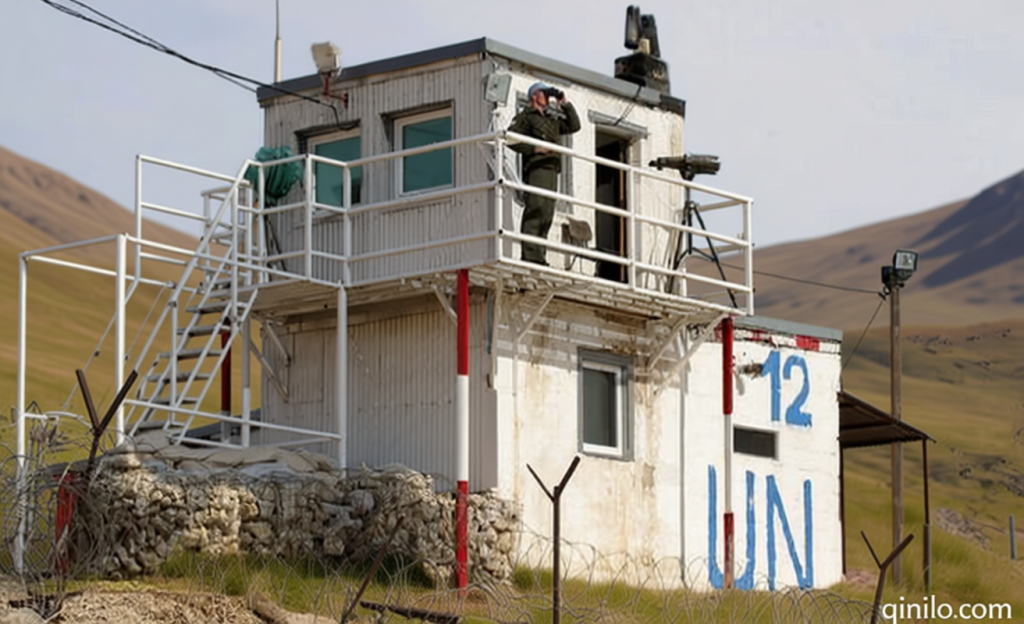
Security Council Extends Critical Stabilisation Force in Syria
Qinilo.com – The United Nations Security Council has taken a decisive step in bolstering regional stability by Security Council extends critical stabilisation through the renewal of the UN Disengagement Observer Force (UNDOF) mandate. In a unanimous resolution passed on Thursday, the Council approved Resolution 2824 (2026), extending the mission’s operational timeline for an additional six months. This decision underscores the Council’s commitment to maintaining peace and security in Syria, particularly along the border with Israel, where the UNDOF has been deployed since 1974. The extension aims to address ongoing challenges, including the delicate balance between military operations and diplomatic efforts to foster lasting reconciliation in the region.
Historical Context and Mission Objectives
The UNDOF was established in 1974 following the Disengagement of Forces Agreement between Israel and Syria, marking a significant milestone in the region’s post-conflict dynamics. For decades, the mission has operated as a neutral peacekeeping force, monitoring ceasefires and preventing clashes between the two nations. Its presence has been instrumental in ensuring the Golan Heights remains a secure zone, a critical factor in Syria’s geopolitical stability. The latest extension of the Security Council extends critical stabilisation mandate reaffirms the Council’s belief in the mission’s relevance, even as Syria grapples with domestic challenges and shifting regional alliances.
Recent reports highlight the growing importance of UNDOF in the face of escalating tensions in southern Syria. With the country’s political landscape still evolving, the mission’s role in mediating between rival factions and overseeing ceasefire compliance has become more vital. The Council’s decision to prolong the mandate until 31 December 2026 reflects a strategic recognition of the need for continuous international oversight to prevent renewed hostilities. This extension also aligns with broader UN efforts to support Syria’s path toward sustainable peace, including economic aid and humanitarian assistance.
Syria’s Political and Economic Landscape
As the Security Council extends critical stabilisation, Syria’s government continues to navigate complex political and economic challenges. The country’s recent elections have been a catalyst for internal reforms, yet the transition remains fraught with uncertainty. Officials have pointed to the importance of sustained international support, emphasizing that the extension of UNDOF’s mandate will provide a stabilising framework for ongoing negotiations. The mission’s presence is seen as a symbol of global solidarity, helping to reassure both Syrians and neighboring nations of the commitment to peace.
“The Security Council extends critical stabilisation not only strengthens our ceasefire but also offers a platform for dialogue,” said Syria’s ambassador, Ibrahim Olabi, during the Council meeting. He highlighted the country’s progress in areas such as infrastructure rebuilding and diplomatic engagement, noting that these efforts are essential to achieving long-term stability.”
Despite these advances, Syria’s path to stability is still uneven. The extension of the UNDOF mandate is viewed as a critical component of this process, enabling the mission to address emerging security threats and support local governance initiatives. The Council’s unanimous approval signals a rare moment of consensus, with all member states recognising the need for continued UN involvement in the country’s recovery. This decision also serves as a reminder of the fragile nature of peace in a region still recovering from years of conflict.
International Perspectives and Future Implications
Analysts have praised the Security Council’s decision to extend critical stabilisation, arguing that it provides a much-needed buffer against potential escalations. The resolution was welcomed by both Israeli and Syrian representatives, who acknowledged the importance of the mission in maintaining the ceasefire agreement. However, some members of the Council have called for increased funding to ensure the UNDOF can operate effectively in the face of rising security demands.
“This Security Council extends critical stabilisation is a testament to the international community’s enduring interest in Syria’s stability,” remarked the UN Secretary-General’s Deputy Special Envoy for Syria, Claudio Cordone. “It also highlights the need for balanced governance and inclusive political processes to ensure lasting peace.”
The extension is expected to have far-reaching implications for Syria’s future. With the mission now set to continue until 2026, it will provide a stabilising presence during a crucial phase of political transition. The Council’s decision also sends a message to regional actors, reinforcing the importance of UN-led peacekeeping efforts in the broader Middle East context. As Syria moves forward, the success of this Security Council extends critical stabilisation will depend on the cooperation of all parties involved and the ability to address underlying grievances through dialogue and compromise.