
World News in Brief: Ebola prevention, Yemen child deaths, Colombia elections, Japan climate campaign
World News in Brief: Ebola, Yemen Child Deaths, Colombia Elections, Japan’s Climate Campaign
Qinilo.com – World News in Brief delivers a concise overview of global headlines. This edition highlights critical developments in health, humanitarian aid, politics, and environmental action. From Ebola preparedness efforts to the ongoing crisis in Yemen, the article covers key updates shaping international discourse. Japan’s climate campaign and Colombia’s electoral process also receive attention, showcasing diverse challenges and responses across the globe.
Global Efforts to Combat Ebola Spread
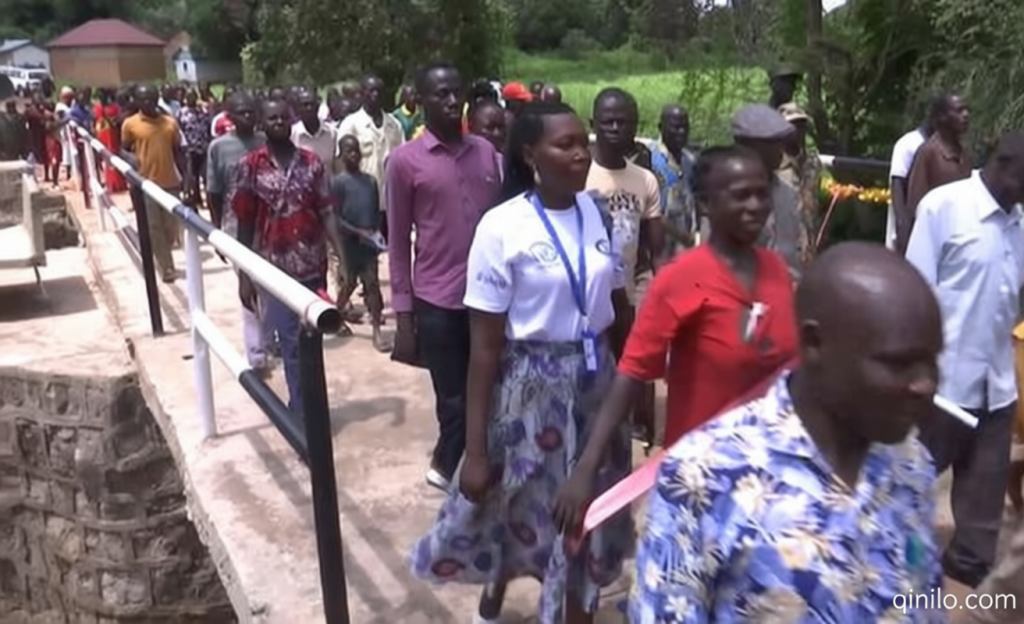
The United Nations has allocated $8 million to enhance preparedness in Burundi and South Sudan against the potential spread of Ebola. This initiative comes amid a significant outbreak in the Democratic Republic of the Congo (DRC), which has infected over 1,000 people and claimed nearly 300 lives since its declaration in May. The funding aims to strengthen disease surveillance, improve laboratory testing, and implement robust infection control protocols in regions at high risk of cross-border transmission.
Tom Fletcher, the UN’s Emergency Relief Coordinator, announced the support via the Central Emergency Response Fund (CERF) on Thursday. The measures will include training for local health workers, distributing protective equipment, and setting up mobile clinics to detect early signs of the virus. With the DRC outbreak still evolving, the UN stresses the need for proactive measures to prevent a regional crisis.
Humanitarian Response in the DRC and Beyond
As the DRC battles the Ebola outbreak, UN agencies and partner organizations are intensifying their efforts. Over 51,000 residents have already received food aid, but the situation has also disrupted trade and reduced food supplies, causing price surges in affected areas. The UN urges increased donor support to ensure sustained interventions, including vaccination drives and community education programs.
Despite the expansion of laboratory facilities with assistance from the World Health Organization (WHO) and the Africa CDC, the outbreak continues to strain local resources. Fletcher emphasized that “preparedness is the best defense,” highlighting the importance of early detection and rapid response. The UN has also called for stricter border controls and enhanced coordination between countries to prevent the virus from spreading further.
Tragedy in Yemen’s Rural Areas
A recent explosion in Raybi village, Yemen, has tragically claimed five children’s lives and injured seven others. This incident underscores the persistent dangers faced by displaced communities due to landmines and unexploded ordnance. UNICEF has expressed deep concern, stressing the urgent need for child protection initiatives in conflict zones.
“No child should ever lose their life, suffer injury, or live in fear because of the deadly remnants of conflict,” stated UNICEF in its official release. The agency is advocating for stronger measures to remove war debris and educate families on mine risks, ensuring children’s safety amid ongoing violence.
With the war in Yemen entering its sixth year, the toll on civilian lives continues to rise. The campaign calls for immediate action to prioritize child safety, including the deployment of mine-clearing teams and the establishment of safer zones for schools and hospitals. These efforts are critical to safeguarding the future of millions of vulnerable children.
Colombia’s Peaceful Electoral Process
Colombia’s presidential elections have been conducted smoothly, with the UN Secretary-General António Guterres applauding the orderly process. The second round saw high voter turnout, and officials maintained security to prevent disruptions. While Gustavo Petro initially claimed victory, the final results confirmed Ivan Cepeda’s win, though the election remains a focal point for political discourse in the country.
The UN highlighted the success of the electoral system, noting that it fostered trust among political actors and the public. Guterres praised the commitment to transparency, emphasizing the role of the elections in Colombia’s path toward sustainable peace. The new administration now faces the challenge of uniting diverse groups to advance reconciliation and economic recovery.
Japan’s Climate Awareness Campaign
Japan has launched a coordinated climate campaign in collaboration with the UN Information Centre in Tokyo and 136 local media partners. Titled “I am one of the 89% who want to stop global warming,” the initiative seeks to translate public support into collective action. The campaign leverages recent survey data showing nearly 89% of people globally advocate for more aggressive climate measures.
Activities include social media campaigns, online forums, and community events from June 25 through 2026, aiming to engage citizens in environmental advocacy. The UN Secretary-General António Guterres has linked the urgency of climate action to the need for reducing fossil fuel reliance, a theme central to the campaign. Japan’s current unusually hot summer, with temperatures exceeding 35°C in some regions, serves as a stark reminder of the climate challenges ahead.