
Sudan: ‘El Obeid must not become the next crime scene’ warn UN investigators
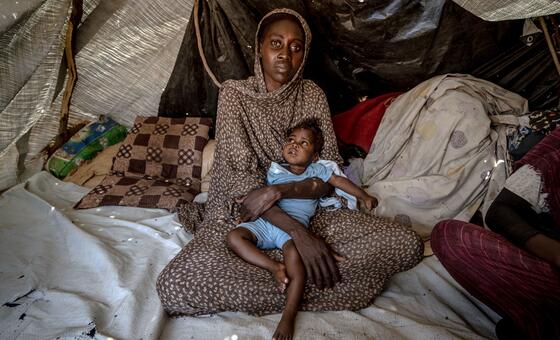
Sudan: ‘El Obeid must not become the next crime scene’ warn UN investigators
Escalating Atrocities in El Fasher
Qinilo.com – Sudan’s humanitarian crisis has intensified as UN investigators issue urgent warnings about the potential for genocide in the volatile region of El Fasher. The findings from the UN Fact-Finding Mission, released on Wednesday, reveal alarming patterns of violence and abuse by the Rapid Support Forces (RSF) militia, highlighting the risk of escalating atrocities. These reports emphasize the systematic targeting of civilians, including mass killings, abductions, and widespread sexual violence, which have raised serious concerns about the conflict’s trajectory.
“The patterns we documented in El Fasher—including encirclement, attacks on civilian infrastructure, restrictions on humanitarian access, and widespread abuses against civilians—serve as a stark warning,” stated Mohamed Chande Othman, head of the UN Fact-Finding Mission for Sudan. “This is not just a pattern of violence; it is a calculated effort to instill fear and control.”
The latest analysis builds on earlier conclusions from a February report, which outlined similar tactics. Investigators have now compiled additional evidence of sexual violence, forced disappearances, and mass detentions, reinforcing the argument that these actions are part of a deliberate strategy toward genocide. The mission’s report underscores the need for immediate international intervention to halt the cycle of violence and protect vulnerable populations.
Humanitarian Crisis Deepens
Two years into the conflict between Sudan’s military government and the RSF, the toll on civilians has reached catastrophic levels. The war has claimed at least 59,000 lives and displaced 14 million people, with 33.7 million requiring urgent aid. Essential services such as healthcare and food distribution are severely limited, exacerbating the suffering of those already in crisis. The UN has classified Sudan as the worst humanitarian disaster globally, citing ongoing attacks on infrastructure and restricted access for aid workers.
“At a moment when serious concerns are being raised about the risks facing civilians in El Obeid, the findings from El Fasher underscore the need for urgent protection measures before more lives are lost,” noted Joy Ngozi Ezeilo, an expert member of the mission. “The situation in El Obeid is critical, and without swift action, it could mirror the devastation seen in El Fasher.”
Volker Türk, the UN human rights chief, has warned that the tactics observed in El Fasher are now being replicated in El Obeid, the capital of North Kordofan state. The city has been under siege-like conditions for 18 months, with RSF forces encircling it and disrupting access to vital resources. This has led to prolonged shortages of water, electricity, and medical supplies, creating a dire environment for civilians.
“The international community still has a window of opportunity to prevent further atrocity crimes,” added Mona Rishmawi, another expert. “El Obeid must not become the next crime scene, as the pattern of violence threatens to spiral out of control.”
Before seizing El Fasher in October, RSF forces had already systematically cut off food, water, and medical supplies for months, setting the stage for mass casualties. The UN had previously issued warnings about the potential for atrocities in the city, but these alerts were ignored, resulting in over 6,000 civilian deaths in three days. Investigators now urge immediate measures to avert a similar fate in El Obeid, where the risk of further violence remains high.
With the conflict raging across Sudan, the international community faces mounting pressure to respond effectively. The UN’s report serves as a critical call to action, urging governments and organizations to prioritize civilian protection and hold perpetrators accountable. The repeated use of tactics seen in El Fasher raises questions about the RSF’s intent to expand their control through systematic brutality, further destabilizing the region.
As the war continues, the situation in Sudan remains dire, with the potential for even greater human suffering. The UN Fact-Finding Mission’s findings are a vital tool in documenting the scale of atrocities and guiding humanitarian efforts. By addressing the patterns of violence in El Fasher, the mission aims to prevent El Obeid from following the same tragic path, ensuring that the global community does not overlook the urgent need for intervention in Sudan.