‘Shared blueprint for peace’: Development goals deliver for billions, but challenges remain
Shared Blueprint for Peace: SDGs Progress and Remaining Challenges
Global Momentum and the Path to 2030
Qinilo.com – As the 2030 deadline for the Sustainable Development Goals (SDGs) nears, the UN report underscores the shared blueprint for peace that the SDGs represent. While significant strides have been made in improving the quality of life for billions, the report highlights that progress remains uneven, and accelerated action is essential to ensure these goals are fully realized. The 2026 SDG Progress Report, released on Tuesday, serves as a critical reminder that the SDGs are not merely aspirational targets but a unified framework to address global inequalities, environmental degradation, and social fragmentation. Despite these achievements, the road to 2030 is fraught with obstacles, from economic disparities to political instability, requiring renewed global commitment.
Transformative Achievements in Key Areas
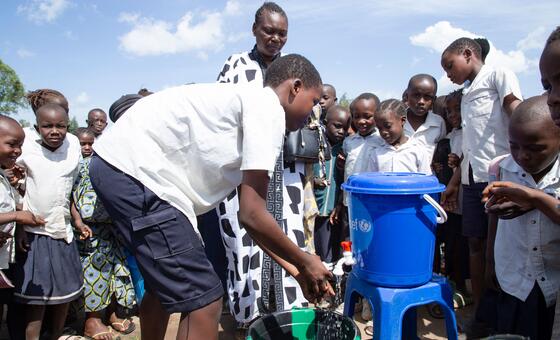
The SDGs, unanimously adopted in 2015 by all 193 UN Member States, have already transformed the lives of millions. Nearly one billion people now have access to safe drinking water, and 1.2 billion have gained safe sanitation services. The report also notes a 30% reduction in new HIV infections since 2015, alongside expanded electricity access for 92% of the global population. Social protection programs have grown to cover over half of the world’s citizens, providing a critical safety net for vulnerable communities. These achievements demonstrate the potential of the shared blueprint for peace to drive tangible change, though the pace of progress has varied across regions and sectors.
Emerging Challenges and Diverging Progress
Despite these advancements, the report warns that many SDG targets are falling short. Of 139 SDG indicators with trend data, only 36% are on track to meet their 2030 benchmarks, while 49% are progressing slowly and 15% have regressed since 2015. Maternal mortality rates, for instance, remain nearly three times higher than the global targets, underscoring persistent challenges in healthcare access. Climate change continues to exacerbate these issues, with global temperatures reaching 1.43°C above pre-industrial levels in 2025. The refugee crisis has also intensified, with over 100 million people displaced worldwide. These hurdles threaten to derail the shared blueprint for peace unless urgent interventions are implemented.
Political and Financial Barriers
The SDGs’ success hinges on political will and financial resources, both of which are increasingly strained. The 2026 report emphasizes that while the goals provide a clear vision, the mechanisms to fund and sustain them are often inadequate. Many countries, particularly in the Global South, face difficulties in balancing economic development with social equity, a challenge that the shared blueprint for peace aims to address. The report calls for more robust international cooperation, stressing that the SDGs require not only national strategies but also global solidarity to bridge the gap between aspirations and outcomes. Without this, the report warns, the promise of the 2030 Agenda may remain unfulfilled.
Stakeholder Collaboration and Policy Reforms
The High-Level Political Forum (HLPF) on Sustainable Development, held annually in New York, plays a pivotal role in advancing the shared blueprint for peace. This year’s forum, which runs from Tuesday to July 15, brings together leaders from governments, civil society, and international organizations to review progress and identify areas for improvement. Deputy Secretary-General Amina Mohammed emphasized the need for reforms in international development banks to enhance their capacity to provide debt relief and extended funding. “Many countries are being asked to deliver on promises without the tools to keep them,” she noted, highlighting the importance of systemic changes to support the SDGs’ implementation.
Transformative Strategies for a Sustainable Future
ECOSOC President Lok Bahadur Thapa underscored the necessity of transformative, equitable, and innovative actions to achieve the SDGs. He pointed to critical gaps in clean energy access and water security, urging nations to adopt more ambitious and coordinated approaches. “The 2030 Agenda remains our shared promise – to people, to the planet and to future generations,” Thapa stated. “The years ahead will not ask whether our challenges were difficult. They will ask whether we were equal to them.” This sentiment reflects the urgency of aligning policy frameworks with the realities on the ground, ensuring that the shared blueprint for peace is not just a document but a living strategy for global development.
Commitments and the Way Forward
The HLPF’s ministerial portion, known as the High-Level Segment (HLS), will culminate in a declaration aimed at reinforcing global commitments. This year’s draft includes pledges to increase SDG investment, create governance frameworks for emerging technologies like artificial intelligence, and address systemic inequities. Last year’s declaration emphasized public financing, digital inclusion, and reducing maternal and child mortality, setting a precedent for this year’s focus on innovation and sustainability. With the 2030 deadline fast approaching, the HLPF serves as a platform to galvanize action, ensuring that the shared blueprint for peace remains a guiding force in shaping a more just and sustainable world.