
Sudan: Window is closing to prevent wider escalation in El Obeid
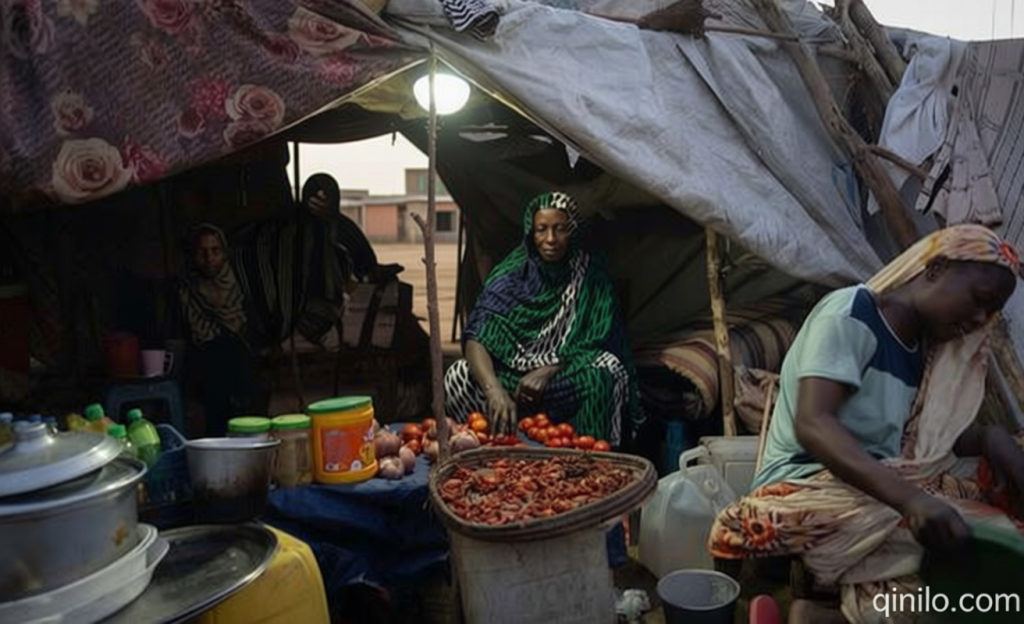
Sudan: Rapid Escalation Threatens El Obeid
Qinilo.com – Sudan – A high-ranking United Nations representative issued a warning on Friday, stating that the chance to stop a significant conflict surge in El Obeid, Sudan, is “closing quickly” due to rising hostilities in the North Kordofan state capital.
Peacekeeping Briefing Highlights Escalating Tensions
Rosemary DiCarlo, the Under-Secretary-General for Political and Peacekeeping Affairs, provided an update to the Security Council on the ongoing conflict between the Sudanese Armed Forces (SAF) and the Rapid Support Forces (RSF), now in its fourth year.
Over the last two weeks, both sides have intensified drone strikes in El Obeid, with the RSF increasing their military footprint in surrounding areas. DiCarlo emphasized the growing unpredictability of the conflict, which has spread beyond the city.
“An offensive threatens to unleash a humanitarian catastrophe, as civilian populations face escalating danger,” stated DiCarlo, referencing a prior warning from UN Human Rights Chief Volker Türk.
She warned that further escalation could expose hundreds of thousands of civilians to widespread violence, potentially displacing them into already strained regions.
Diplomats urged all factions to exercise caution and prioritize the safety of non-combatants. DiCarlo reiterated the need for restraint, stressing that the situation in El Obeid demands immediate action to avoid broader consequences.
Meanwhile, the conflict persists across multiple fronts. The Kordofan region remains a focal point, with heavy fighting reported around Dilling, Kadugli, and Babanusa. Recent strikes on infrastructure have disrupted aid efforts, isolating communities in the area.
Regional Strains and External Support
Security challenges also persist in White Nile and Blue Nile states, where clashes continue in Kurmuk, Geissan, and Bau. DiCarlo highlighted that the reliance on advanced weaponry from external allies sustains the current fighting tempo.
“The parties cannot maintain this level of conflict without the external support they receive,” she said, urging foreign powers to help end the war rather than fuel it.
Despite the rainy season typically easing hostilities, drone activity has kept the violence relentless, leaving civilians with little hope of relief.
Quintet’s Role and Humanitarian Concerns
The UN continues to push for de-escalation, including through the Quad’s initiative—comprising the United States, Saudi Arabia, the UAE, and Egypt—to broker a humanitarian pause. DiCarlo emphasized the need for genuine negotiations.
She noted that lasting peace requires collaboration among the Quintet, a coalition of the African Union, EU, IGAD, the League of Arab States, and the UN. Recent discussions in Addis Ababa involved a diverse group of Sudanese civilians, who backed the push for an internally driven political dialogue.
UNICEF’s Deputy Executive Director, Hannan Sulieman, also addressed the Council. She stressed that Sudan remains the world’s largest humanitarian crisis, with children bearing the brunt of the violence.
“Approximately 500,000 civilians are now at risk, and children face an urgent threat of death, injury, or displacement,” Sulieman warned, citing previous instances of similar dangers.
DiCarlo highlighted the precarious state of the conflict, which has drawn neighboring countries into the fray. Tensions with Ethiopia and Chad have flared, complicating the path to peace.