
World News in Brief: Violence displaces thousands in Haiti and Lebanon, Gaza updates, UN food agency delivers in Ebola-stricken DR Congo
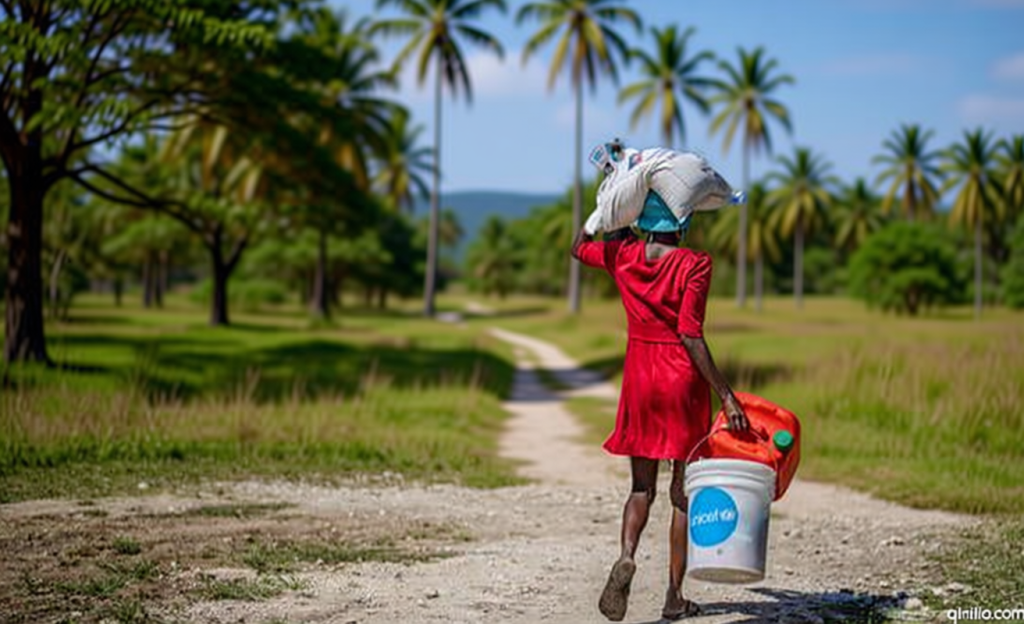
World News in Brief: Regional Conflicts and Humanitarian Efforts
Qinilo.com – World News in Brief highlights ongoing challenges across the globe, with violence in Haiti and Lebanon displacing thousands, while the UN continues its critical work in Ebola-affected areas of DR Congo and Gaza. The latest updates reveal escalating crises that demand immediate attention and coordinated international action.
Haiti’s Escalating Displacement Crisis
The Artibonite region in Haiti has witnessed renewed violence, pushing over 2,600 residents from their homes and intensifying the nation’s humanitarian emergency. The UN Office for the Coordination of Humanitarian Assistance (OCHA) reports that more than three-quarters of those displaced have sought shelter in Marchand Dessalines, a commune in the central highlands. This displacement trend has been compounded by the influx of internally displaced persons from other parts of the country, creating overcrowded camps and strained resources.
Clashes in Cité Soleil, located in the West Department, have displaced over 5,000 people since June 13, 2026. The situation has forced Médecins Sans Frontières to temporarily suspend operations at a maternity unit, highlighting the urgent need for medical infrastructure support. OCHA also notes that 24% of returning migrants in 2026 were women, while nearly 8% were children, underscoring the vulnerability of specific demographics.
World News in Brief emphasizes that the displacement crisis is not isolated to Artibonite. Ongoing instability across Haiti has led to a fragmented response, with local authorities and NGOs struggling to meet the needs of displaced communities. The UN and its partners are working to stabilize the situation, but the scale of the challenge remains daunting.
Lebanon Ceasefire: Mixed Progress and Persistent Strains
A recent ceasefire between Israel and Lebanon has provided temporary relief, with reports of decreased shelter occupancy as some displaced individuals return to their homes. However, the agreement remains fragile, with sporadic violations and ongoing tensions threatening the stability of the region. As of now, over 57,000 people remain in 516 collective shelters, with many still reliant on aid for basic necessities.
“We urge all parties to uphold the ceasefire and avoid any further escalation, especially during this crucial phase of negotiations,” stated UN Spokesperson Stéphane Dujarric on Friday. This call to action comes amid growing concerns about the long-term impact of the conflict on Lebanon’s economy and infrastructure.
Despite the ceasefire, challenges persist in delivering aid effectively. The UN Interim Force in Lebanon (UNIFIL) has documented several ceasefire violations, which have disrupted supply chains and delayed relief efforts. Nevertheless, the UN and its collaborators continue to distribute essential supplies, including over 181,000 blankets and mattresses, and 162,000 hygiene kits, since March 2, 2026.
World News in Brief underscores the importance of sustained ceasefire adherence for long-term recovery. With Lebanon’s economy already under pressure, the displacement crisis threatens to exacerbate existing vulnerabilities. The UN’s efforts are critical in ensuring that displaced families can return to stable environments, but more resources and political commitment are needed.
Gaza: Health and Water as Pillars of Survival
In Gaza, the struggle for survival continues as access to clean water and healthcare remains a top priority for civilians. The UN has intensified pest-control campaigns to address the spread of skin diseases and other health risks, which have become more prevalent due to the ongoing conflict. These efforts are part of a broader strategy to mitigate the impact of the humanitarian crisis on public health.
“Skin diseases and related health conditions are now widespread, posing a significant threat to civilian populations,” remarked the UN Spokesperson on Friday. This statement highlights the urgency of addressing both immediate and long-term health challenges in the region.
World News in Brief also notes that the UN Development Programme (UNDP) and UNICEF have deployed five water trucks and treatment chemicals to affected communities, offering temporary relief. While these measures are essential, repairing damaged infrastructure is seen as a key step in ensuring sustainable access to clean water. The ongoing conflict has disrupted agricultural activities, with 80% of greenhouses remaining out of use, further compounding food insecurity.
Recent aid efforts have included psychosocial support and legal aid for over 50,000 people, alongside cash assistance provided to 20,000 individuals. These programs aim to restore a sense of normalcy and provide critical financial relief. Early signs of agricultural recovery are emerging, but the road to full rehabilitation is long and requires sustained international support.
DR Congo: WFP Expands Ebola Response to Combat Hunger
The World Food Programme (WFP) is expanding its response to the Ebola outbreak in eastern DR Congo, recognizing that hunger can undermine efforts to control the disease. The virus has spread to 34 health zones across Ituri, North Kivu, and South Kivu, putting millions at risk. With over 36,000 hot meals delivered to patients and caregivers in treatment centers, the WFP is ensuring that food security does not hinder outbreak response.
World News in Brief highlights the WFP’s role in providing food rations to quarantined communities, which is essential for maintaining compliance with public health protocols. Since late May, the agency has been transporting medical supplies and personnel to outbreak zones, reinforcing the collective effort to stabilize the situation. This proactive approach is critical in preventing the spread of both Ebola and malnutrition.
The UN’s $140.5 million emergency fund, released in April, has been instrumental in supporting relief operations. However, the $880 million 2026 appeal for funding is only 27% funded, leaving a significant gap in resources. World News in Brief stresses that additional funding and coordination are necessary to address the multifaceted challenges facing the region.