
UN details humanitarian toll of strikes on Ukrainian energy, heat facilities
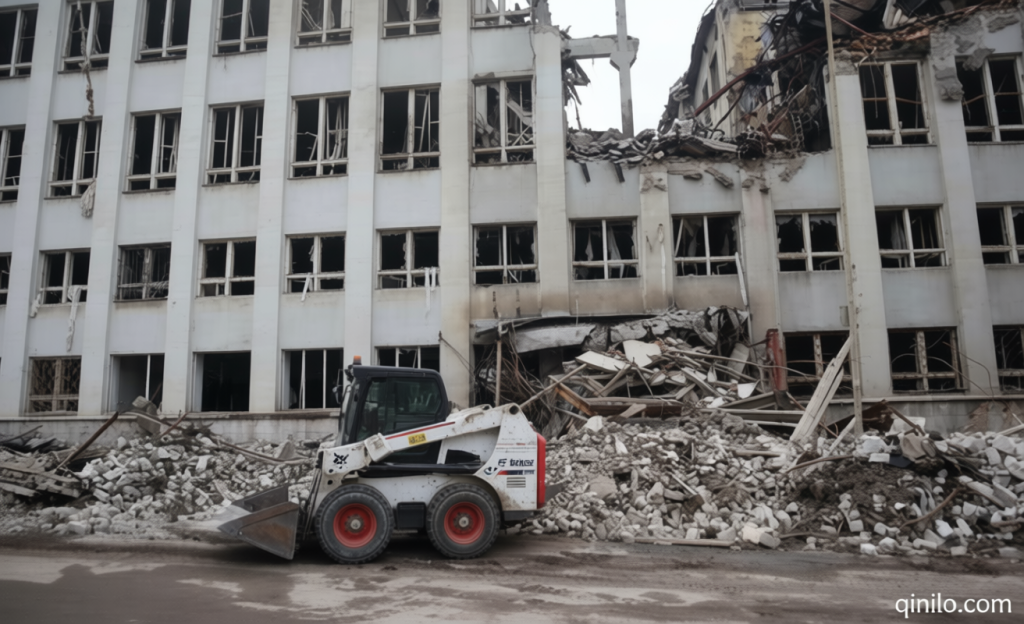
UN Details Humanitarian Toll of Energy Infrastructure Strikes in Ukraine
Qinilo.com – The UN report on the humanitarian impact of strikes on Ukraine’s energy and heating facilities reveals the devastating consequences of ongoing attacks on critical infrastructure. These strikes have not only disrupted essential services but also exacerbated suffering among civilians, particularly during the harsh winter months. As the conflict persists, the United Nations emphasizes the urgent need to address the growing humanitarian crisis, ensuring that vulnerable populations receive adequate support.
Escalation of Attacks and Casualties
Recent strikes, including missile and drone attacks, have caused significant casualties in both Ukraine and Russia. Ukrainian officials reported eight deaths and 35 injuries in Dnipro following Russian attacks on Monday, while Russian authorities noted at least six fatalities from Ukrainian strikes on Russian-controlled areas over the weekend. These incidents highlight the escalating violence and the dual toll on civilians across the conflict zone.
Since the full-scale invasion of Ukraine began on 24 February 2022, Russia has targeted energy systems with increasing intensity. This has led to widespread power outages and disruptions in heating, leaving millions of Ukrainians without reliable access to basic necessities. The UN has consistently condemned these attacks, underscoring their role in deepening the humanitarian crisis and worsening living conditions for civilians.
Impact on Energy and Heating Systems
The latest attacks on Ukraine’s energy infrastructure have severely impacted the nation’s ability to provide heating and electricity. Russian forces have targeted oil refineries, power plants, and transmission networks, causing prolonged outages that have left communities in darkness and cold. A UN human rights report revealed that these strikes destroyed vital components of the energy grid, disrupting services for hundreds of thousands of people during the coldest winter since 2010.
Over the winter months of 2025-26, the frequency of attacks on energy facilities has surged, with at least 423 strikes on electricity systems and 74 on centralized heating infrastructure. The resulting disruptions have forced many families to rely on makeshift heating solutions, such as wood stoves and gas canisters, increasing health risks and financial burdens. The UN warns that restoring full energy capacity by next winter may be challenging, leaving civilians exposed to extreme cold and potential health complications.
“The loss of electricity and heating during winter has severely affected people’s health, safety, and quality of life, especially for those in high-risk groups,” stated Danielle Bell, head of the UN’s Human Rights Monitoring Mission in Ukraine. “These attacks are not just about infrastructure—they are about displacing families and endangering lives.”
Rising Civilian Injuries and Humanitarian Needs
According to the UN’s latest findings, the number of civilian injuries caused by strikes has increased by 40% compared to the previous year. From December 2025 to May 2026, the report records 1,272 deaths and 6,871 injuries, underscoring the scale of the impact. Long-range missiles and drones remain the primary causes of these casualties, with attacks on energy infrastructure accounting for a significant portion of the damage.
The UN has called for immediate measures to protect civilians and restore essential services, highlighting the urgent need for humanitarian aid. With power outages and heating shortages affecting millions, the organization stresses that both Russia and Ukraine must prioritize the well-being of non-combatants and work toward stabilizing the region’s energy supply.
“Our findings reveal alarming trends, including sustained attacks on Ukraine’s energy infrastructure during winter, rising civilian casualties, and continued restrictions on basic freedoms in occupied areas,” said OHCHR in its press release. “The humanitarian situation is worsening, and the international community must take action to support those in need.”
Violations of Human Rights and Prisoner Abuse
OHCHR also documented widespread violations of human rights in Russian-occupied territories, including the abuse of prisoners of war. Interviews with 1,926 victims and witnesses revealed systematic torture, beatings, and sexual violence against Ukrainian captives. Russian forces reportedly denied medical care and administered electric shocks, while Ukrainian-held Russian prisoners described similar mistreatment, indicating a pattern of cruelty across the conflict.
Additionally, the report highlights restrictions on freedom of expression and other fundamental rights in occupied areas. These include the prohibition of the Ukrainian curriculum in schools, forced conscription, and ongoing instances of torture. Such measures have further compounded the humanitarian crisis, limiting the ability of affected populations to access information and exercise their basic rights.
The UN urges both Russia and Ukraine to hold perpetrators accountable and implement measures to protect civilian populations. As the conflict continues, the organization remains committed to documenting the humanitarian toll and advocating for the restoration of essential services, emphasizing the critical role of energy infrastructure in sustaining life and livelihoods.