
Five things you need to know about ocean plastics
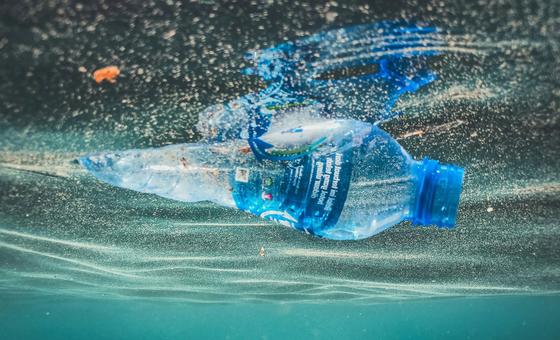
The Hidden Impact of Everyday Plastics
Qinilo.com – From disposable packaging to personal care products, plastic has become an inseparable part of modern living. While its versatility and durability enhance convenience, these traits also create long-term environmental challenges. The widespread use of plastic items—such as gloves, bottles, and gum—means that their accumulation in the oceans is a growing concern.
Plastic’s Environmental Consequences
Once plastic enters marine ecosystems, it disrupts habitats and threatens wildlife. Large debris can suffocate animals, while microplastics, formed from the breakdown of larger pieces, infiltrate the food chain. Even after physical disintegration, the chemical composition of plastics persists, leaving lasting ecological damage.
“It’s their feeding, their metabolism, their immune function, their growth and reproduction. It weakens and kills them, and changes populations.”
Global Reach of Plastic Pollution
Over 4,000 marine species are impacted by plastic waste, as noted in the World Ocean Assessment. This report, compiled by more than 650 experts, underscores how plastic contamination spans all aspects of ocean health, from ecological to economic and social dimensions.
Five Critical Insights on Ocean Plastic
Ahead of World Ocean Day on June 8, here are key facts about plastic pollution:
Plastic Waste Continues to Rise
Annual plastic emissions into the oceans reach 52.1 million metric tonnes, driven by mismanaged waste, littering, and activities like fishing. Despite efforts, the problem persists, with regional disparities in its sources.
Regional Differences in Pollution Sources
Littering is the primary contributor in the Global North, whereas uncollected waste dominates in the Global South. These “leakages” represent the broader issue, as Dr. Ian Butler emphasized: “What our eyes see is the tip of the iceberg.”
Microplastics: A Submerged Threat
Macro and microplastics visible on beaches account for only 3–4% of ocean plastic. The rest is dispersed, submerged, or fragmented, making recovery difficult. Microplastics have been found in every ocean layer, from surface waters to the deep sea.
Microplastics’ Health Risks
Estimates suggest 24.4 trillion microplastic particles exist in the upper oceans. These tiny fragments, often derived from larger plastic items, can interfere with immune systems, cause inflammation, and disrupt growth and energy balance in marine organisms. Nanoplastics, even smaller, remain poorly understood, with limited knowledge of their long-term biological effects.
Sources and Solutions
Single-use plastics constitute about 40% of global litter, though this varies by income level. Fishing activities contribute around 15%, highlighting the need for systemic changes. Recycling alone isn’t sufficient; reducing production and shifting toward reusable systems is essential. Innovations like the attached water bottle cap offer hope, but addressing the root causes of waste is key.
Plastic Pollution as a Social and Economic Crisis
Plastic contamination extends beyond environmental damage, affecting human livelihoods and food security. Industries reliant on oceans, such as tourism and fishing, suffer economic losses due to pollution. Coastal communities and small-scale fisheries face particular risks, with plastic ingestion observed in 386 marine fish species.
“Changing the recipe of the plastic helps but changing our dependence on throwaway plastic matters more for the ocean.”