
From firefights to football matches: Life on a UN peacekeeping frontline
From Firefights to Football Matches: Life on a UN Peacekeeping Frontline
Qinilo.com – As night descends upon Zémio, a town in the eastern region of the Central African Republic, the stakes of the December 2025 presidential election loom large. Yet, just hours before the polls open, the AAKG militia launches an attack to disrupt the proceedings and capture the city.
A Rapid Response
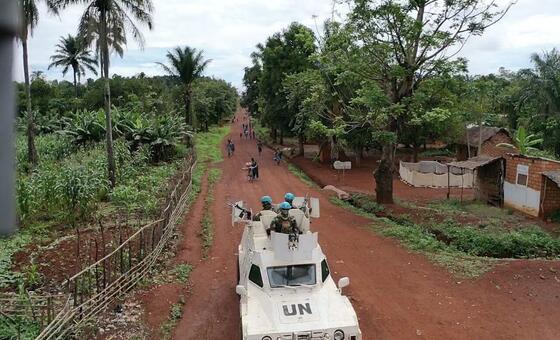
Senegalese troops from the UN mission MINUSCA are swiftly mobilized to counter the assault. Their presence is critical in stabilizing the situation and preventing the rebels from seizing control of the town.
“The engagement stretched for several hours under harsh conditions,” reflects Lieutenant Colonel Gérald Aranda Assine, head of the Senegalese unit. “It tested our mental and physical endurance, as well as our moral resolve.”
Peacekeeping in Action
Peacekeepers, part of the Quick Reaction Force, support the Central African Armed Forces in repelling the attackers. This collaboration ensures the election proceeds without interruption, safeguarding critical infrastructure and refugee camps.
“Our forces maintained their positions while shielding areas where displaced civilians had taken refuge,” says Lt Col. Assine. “This balance between defense and protection defines our mission.”
Broader Responsibilities
Peacekeeping duties extend beyond combat. From offering medical aid to organizing cultural events, the work includes fostering trust and bridging divides in communities affected by conflict.
Peace in the West
In the country’s western regions, where the 3R armed group disbanded in 2025, peacekeepers are revitalizing social ties fractured by years of violence. Ex-combatants and military personnel now share spaces with civilians, even engaging in joint football matches—a symbol of reconciliation once deemed improbable.
Mental Health and Morale
The dual demands of warfare and diplomacy highlight the importance of peacekeepers’ well-being. Regular sports, cultural exchanges, and communication with families back home help sustain morale, even in isolated postings.
“Seeing your children and reassuring them that all is well, despite the challenges, is vital,” explains Lt Col. Assine. “This personal connection fuels our commitment.”
Voices from the Ground
Engaging with locals adds a human dimension to the mission. Lt Col. Assine recently met a former child soldier who escaped rebel-held territory. The boy shared his perspective: “Because the Quick Reaction Force is nearby, I feel secure,” he said.
Restoration and Hope
MINUSCA’s efforts have led to the reopening of schools and resumption of medical services in Zémio. Returning residents, bolstered by the mission’s support, are rebuilding their lives, with the boy now set to resume his education.
A Legacy of Resilience
For Lt Col. Assine, the mission’s success lies in the bravery of the Central African people. He recalls how former enemies now coexist peacefully, driven by a shared goal: restoring lasting stability.
“The courage of these individuals, who accepted rebels as neighbors after years of conflict, will stay with me,” he says. “Their hope for peace is the true measure of our work.”
As the mission prepares to conclude, the commander hopes the population will remember the role of peacekeepers beyond security. “Caring for civilians is the core of our purpose,” he emphasizes. “There is no greater honor than serving peace as a UN soldier.”