
UN urges world not to forget Rohingya refugees as aid cuts threaten vital support
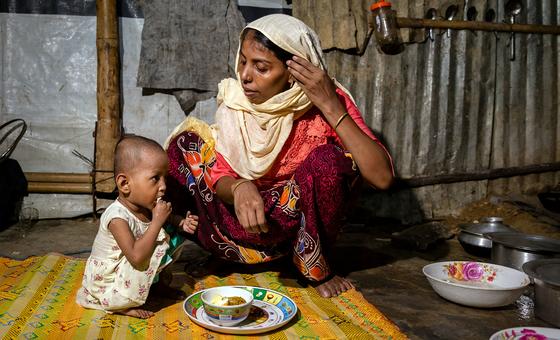
UN Urges World Not to Forget Rohingya Refugees Amid Aid Cuts and Growing Crisis
Qinilo.com –
The United Nations has issued a compelling plea to the global community to remain attentive to the plight of Rohingya refugees, who have been living in protracted displacement for nearly a decade. With nine years since the mass exodus from Myanmar into Bangladesh, the UN High Commissioner for Refugees (UNHCR) is emphasizing the urgent need for sustained aid and international solidarity. Over 1.2 million Rohingya currently reside in Bangladesh, mainly in Cox’s Bazar, where they rely on humanitarian assistance to meet their daily needs. The UN’s renewed call highlights the risk of critical support systems collapsing due to shrinking financial resources.
Humanitarian Funding Under Threat
At a press conference in Geneva, UNHCR spokesperson Babar Baloch underscored the precarious state of funding for Rohingya refugees. He warned that recent cuts to humanitarian budgets are jeopardizing essential services such as food distribution, medical care, and education. Despite Bangladesh’s remarkable efforts in hosting the displaced population, donor countries have shown signs of wavering commitment, leaving the refugees increasingly vulnerable to hardship. Baloch stressed that the global community must not forget the Rohingya amid rising challenges and shifting priorities.
“The generosity of Bangladesh and international partners has kept the Rohingya afloat, but without consistent funding, their survival is at stake,” Baloch remarked.
According to the UN, the 2026 funding request has seen a significant decline compared to previous years, with a reported 26% reduction in total allocations. This shortfall comes as the world grapples with multiple crises, from climate disasters to geopolitical conflicts, diverting attention and resources from the Rohingya’s prolonged suffering. The UN is urging donors to prioritize the Rohingya’s needs, emphasizing that their plight is not a fleeting concern but a long-term humanitarian emergency requiring enduring support.
Historical Context and Current Challenges
The Rohingya crisis began in earnest with the 2017 military crackdown in Myanmar’s Rakhine State, which triggered the displacement of approximately 750,000 people. This exodus marked the largest wave of refugee movement in decades, with many fleeing violence, persecution, and systemic discrimination. Since then, the Rohingya have been living in camps and informal settlements, facing challenges such as overcrowding, limited access to clean water, and the slow pace of repatriation.
Recent months have seen renewed violence in Rakhine State, prompting an additional 150,000 Rohingya to seek refuge in Bangladesh since early 2024. The UN has pointed out that these new arrivals place even greater strain on existing resources, including shelter, sanitation, and healthcare facilities. The crisis is not only a refugee issue but also a test of global empathy and the ability of nations to provide long-term solutions for displaced populations.
Impact of Reduced Aid on Vulnerable Communities
Rohingya refugees, many of whom are women, children, the elderly, and individuals with disabilities, are particularly affected by the decline in aid. Without reliable financial support, basic necessities such as food, clean water, and medical supplies become increasingly scarce. The UN has highlighted that these groups face heightened risks of malnutrition, disease, and mental health issues due to the ongoing humanitarian crisis.
Children, for instance, have seen disruptions in their education, with many unable to attend schools regularly due to lack of resources and infrastructure. Women and girls are also at risk of gender-based violence, exacerbated by overcrowded living conditions and limited access to support services. The UN has called for urgent measures to address these challenges, stressing that aid cuts will only deepen the humanitarian catastrophe and lead to more suffering for an already marginalized community.
Global Commitment and the Path Forward
While the UN’s appeal for $710.5 million in 2026 highlights the scale of the crisis, it also serves as a reminder of the global responsibility to address it. Baloch reiterated that the international community must continue to invest in Rohingya relief efforts, not just for immediate survival but to enable long-term stability and voluntary return to Myanmar. “The Rohingya deserve a future where they can live with dignity, free from fear and discrimination,” he stated.
Experts warn that if funding continues to decline, the conditions in Cox’s Bazar camps could deteriorate further, leading to increased health risks and social tensions. The UN is urging governments, NGOs, and private donors to step up their contributions and ensure that the Rohingya are not forgotten in the face of global challenges. With the crisis entering its 10th year, the need for sustained support has never been more critical.
Voices from the Ground
Survivors and aid workers in Cox’s Bazar have shared harrowing accounts of the impact of funding shortages. A local nurse, who asked not to be named, described how dwindling supplies have forced her to ration medical care among hundreds of patients. “Every day is a battle to keep people alive,” she said. “Without enough resources, we can’t even meet the most basic needs.”
Refugees themselves have expressed fears about the future. A mother of three, who has lived in the camps for over five years, lamented the lack of progress toward repatriation. “We want to go back home, but the violence continues. If the aid stops, we won’t survive here much longer,” she said. These personal stories underscore the human cost of underfunding and the urgent call to action that the UN is making.
Conclusion: A Call to Action
As the Rohingya crisis approaches its tenth year, the UN is reiterating its call for the world not to forget those in need. With aid cuts threatening to cripple essential services, the stakes have never been higher. The organization is urging all stakeholders to recognize the Rohingya as a symbol of global humanitarian responsibility and to ensure their survival through sustained investment and political will.
Failure to act now could lead to irreversible consequences, including mass starvation, disease outbreaks, and a further erosion of hope among the displaced population. The UN’s message is clear: the Rohingya’s plight is a shared challenge that demands collective action. By continuing to support these refugees, the international community can uphold its commitment to human rights and ensure that no one is left behind in times of crisis.