
‘We are catching up’ – WHO chief on DR Congo’s Ebola fight
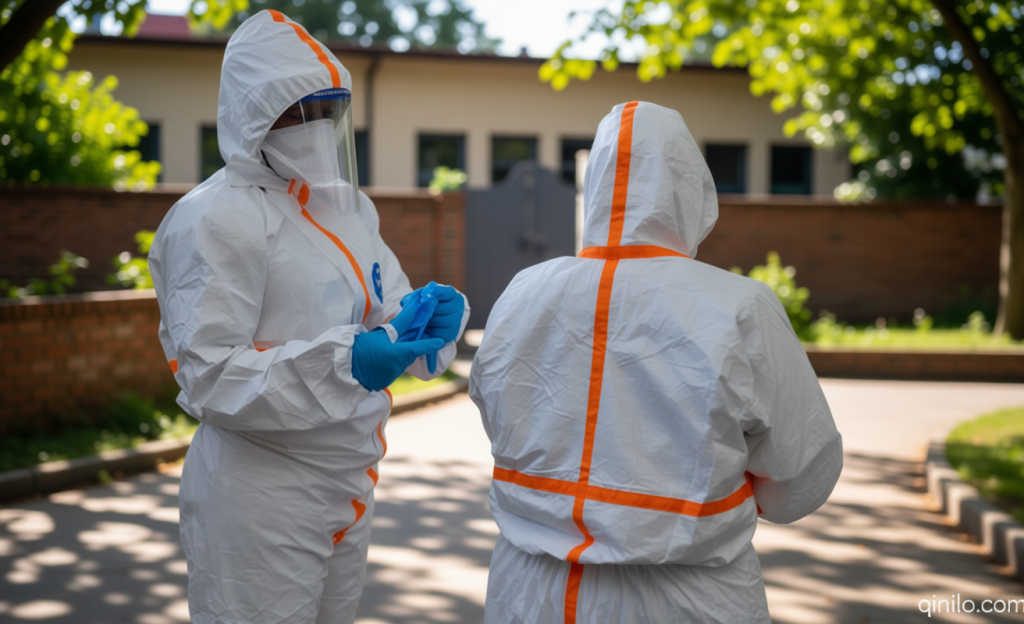
WHO Director-General Tedros Adhanom Ghebreyesus Highlights Progress in DRC’s Ebola Response
Qinilo.com – We are catching up, said Tedros Adhanom Ghebreyesus, the head of the World Health Organization (WHO), during a press briefing following his recent visit to the Democratic Republic of the Congo (DRC). While the Ebola outbreak continues to pose significant challenges, the WHO chief expressed cautious optimism about the government’s efforts to control the spread of the virus. He emphasized that despite the outbreak’s initial momentum, progress is being made in critical areas such as testing, monitoring, and public engagement. However, he also warned that the fight against Ebola remains far from over, requiring sustained collaboration between local authorities, international partners, and communities.
Recent Developments in the Outbreak
During his visit to the DRC, Tedros met with healthcare workers, government officials, and community leaders to assess the evolving situation. He noted that the country’s healthcare system has been under immense pressure, but recent initiatives have begun to show results. For instance, the number of suspected cases has dropped significantly from over 1,000 the previous week to 116, thanks to improved coordination and targeted interventions. This decline, though promising, underscores the importance of maintaining vigilance and avoiding complacency in the fight against the disease.
“The outbreak had a big head start, and we’re still behind, but under the leadership of the Government of DRC, we are catching up.”
Tedros also highlighted the role of regional cooperation, particularly with Uganda, where the virus has spread. He praised the swift actions taken by both countries to contain the outbreak, including the establishment of treatment centers and the deployment of mobile health units. The WHO chief stressed that while the situation in the DRC is improving, the virus’s ability to cross borders means that the response must remain adaptable and inclusive of all affected regions.
The Role of the Bundibugyo Strain
The current outbreak is fueled by the Bundibugyo variant of the Ebola virus, which is known for its rapid transmission and high mortality rate. Unlike previous strains, this one has not yet had a proven treatment, which adds to the complexity of the response. Nevertheless, Tedros acknowledged that three vaccines are now in development, offering a glimmer of hope for long-term containment. The WHO chief reiterated that while progress is being made, the pace of vaccine research and distribution must accelerate to keep up with the outbreak’s spread.
“We are catching up in our understanding of the virus and developing tools to combat it, but the race to create effective vaccines is still ongoing.”
Regional Spread and Challenges
The outbreak’s epicenter remains in Ituri Province, but it has extended into North and South Kivu, regions plagued by ongoing conflict and instability. Armed groups in these areas have complicated efforts to implement public health measures, as mobility and access to remote communities are frequently disrupted. Tedros also pointed to coexisting health threats, such as malaria and malnutrition, which exacerbate the burden on already strained healthcare systems. Despite these challenges, he praised the establishment of three treatment centers in Bunia, the provincial capital, with 80 beds, and similar facilities in five other cities, which are expected to further bolster the response.
Uganda’s Involvement and Global Context
Uganda has confirmed 15 cases and one death, with the virus spreading to a Congolese resident who had traveled from the UAE. This case has prompted discussions about the need for international coordination in tracking and containing the outbreak. An American citizen, who was infected in the DRC, is currently receiving treatment in Germany, highlighting the global reach of the crisis. While WHO’s risk assessment remains unchanged—classifying the national risk as very high and the regional risk as high—the global risk is deemed low due to the containment measures in place. Tedros emphasized that the global community must continue supporting the DRC to ensure long-term success.
Key Priorities for Containment
Tedros outlined several key priorities for the WHO and local authorities, focusing on expanding diagnostic capacity and improving response efficiency. He noted that the current testing rate is insufficient, with only 45% of contacts being properly traced. To “catch up” on this critical gap, he called for the rapid deployment of additional laboratories and mobile testing units. The WHO also urged countries with travel bans to lift restrictions, as these measures have hindered the flow of essential supplies and medical personnel. By implementing exit checks at airports, ports, and border checkpoints, Tedros argued that the response can become more proactive and effective.
“We are catching up in our ability to trace contacts and test cases, but the challenge lies in ensuring these efforts are consistently applied across all affected regions.”
Building Trust in Communities
Community engagement remains a cornerstone of the Ebola response, as public trust is essential for effective containment. Tedros acknowledged that skepticism among local populations has been a major hurdle, with some leaders questioning the reality of the outbreak. To address this, he called for stronger partnerships with community leaders, emphasizing that the fight against Ebola requires not only medical expertise but also cultural sensitivity and local leadership. The WHO chief stressed that “catching up” in public confidence will depend on transparent communication and the visible impact of control measures on the ground.
Looking Ahead: Success and Sustainability
Tedros confirmed that the DRC has experienced 16 prior Ebola outbreaks, but he is confident that this one can be brought under control with the right strategies. However, the true measure of success, he argued, will be the ability to prevent future outbreaks and strengthen the country’s overall health infrastructure. “If people in Ituri survive Ebola only to die from malaria or malnutrition, we haven’t truly helped them,” he stated, underscoring the need for a holistic approach to public health. The WHO remains committed to supporting the DRC government in establishing sustainable health and humanitarian services, ensuring that progress is not just temporary but transformative.
“We are catching up in our response, but we must continue to invest in long-term solutions to secure the future of communities affected by this crisis.”